
 Praveen Kumar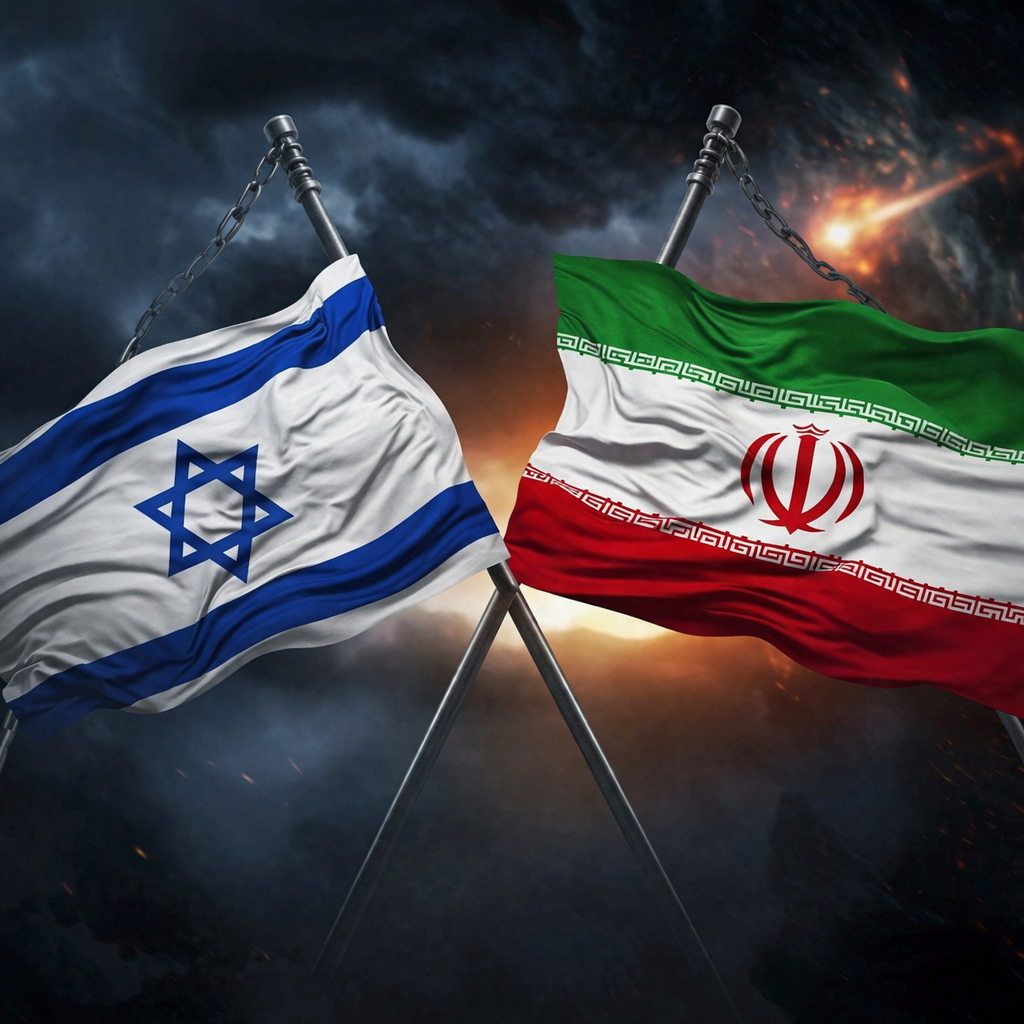
Tensions in the Middle East have escalated once again as the ongoing conflict between Israel and Iran takes a dangerous turn. In the latest development, reports indicate that a missile strike has hit an area in Israel popularly known as “Little India,” leaving more than 40 people injured and causing widespread panic.
This incident has quickly become a global headline, raising concerns not only about regional stability but also about the potential for a broader international conflict. As the situation unfolds, governments, analysts, and citizens worldwide are closely monitoring developments.
What happened in the Latest Attack?
According to initial reports, multiple missiles were launched from Iran toward Israeli territory. While Israel’s advanced air defense systems intercepted several of them, at least one missile managed to strike a populated area referred to as “Little India.”
This neighborhood is known for its vibrant Indian community, including small businesses, restaurants, and cultural centers. The strike resulted in visible destruction, with videos circulating online showing bright explosions in the night sky, followed by chaos on the ground.
Emergency services were immediately dispatched to the scene. Ambulances, fire brigades, and rescue teams worked through the night to evacuate the injured and contain the damage. Authorities have urged residents to remain indoors and follow safety protocols.
Casualties and Damage
Early reports suggest significant human and material losses:
- Over 40 individuals have been reported injured
- Several buildings sustained structural damage
- Vehicles and nearby infrastructure were affected
- Panic and temporary disruption of daily life occurred
Although no official confirmation of fatalities has been released at the time of writing, the number of casualties may change as rescue operations continue.
Hospitals in the region have been placed on high alert, with medical staff working overtime to treat the injured. Many victims are said to have suffered from shock, burns, and debris-related injuries.
Why “Little India” Matters
The area known as “Little India” holds cultural and social importance due to its large population of Indian-origin residents. It serves as a hub for Indian cuisine, traditions, and community life in Israel.
The attack on this specific locality has sparked concern among Indians worldwide, especially those with family members living or working in Israel. It has also drawn attention from the Indian government, which is closely monitoring the safety of its citizens abroad.
This incident highlights how global conflicts can directly impact diaspora communities, making it not just a regional issue but an international one.
Background of the Israel-Iran Conflict
The conflict between Israel and Iran is deeply rooted and has evolved over decades. While the two nations have not engaged in full-scale direct war in recent history, tensions have remained consistently high.
- Geopolitical Rivalry: Both countries seek influence in the Middle East
- Nuclear Concerns: Israel has repeatedly opposed Iran’s nuclear program
- Proxy Warfare: Iran is believed to support groups hostile to Israel
- Ideological Differences: Political and religious ideologies often clash
Over the years, the conflict has manifested in indirect confrontations, cyberattacks, and targeted strikes rather than open warfare.
Global Reactions
The latest missile strike has triggered reactions from around the world:
- The United States and European nations have called for restraint
- Middle Eastern countries are on high alert
- The United Nations has urged both sides to avoid further escalation
- India has expressed concern and is closely monitoring the situation
Diplomatic channels are being activated to prevent the situation from spiraling into a larger crisis.
Impact on Global Markets
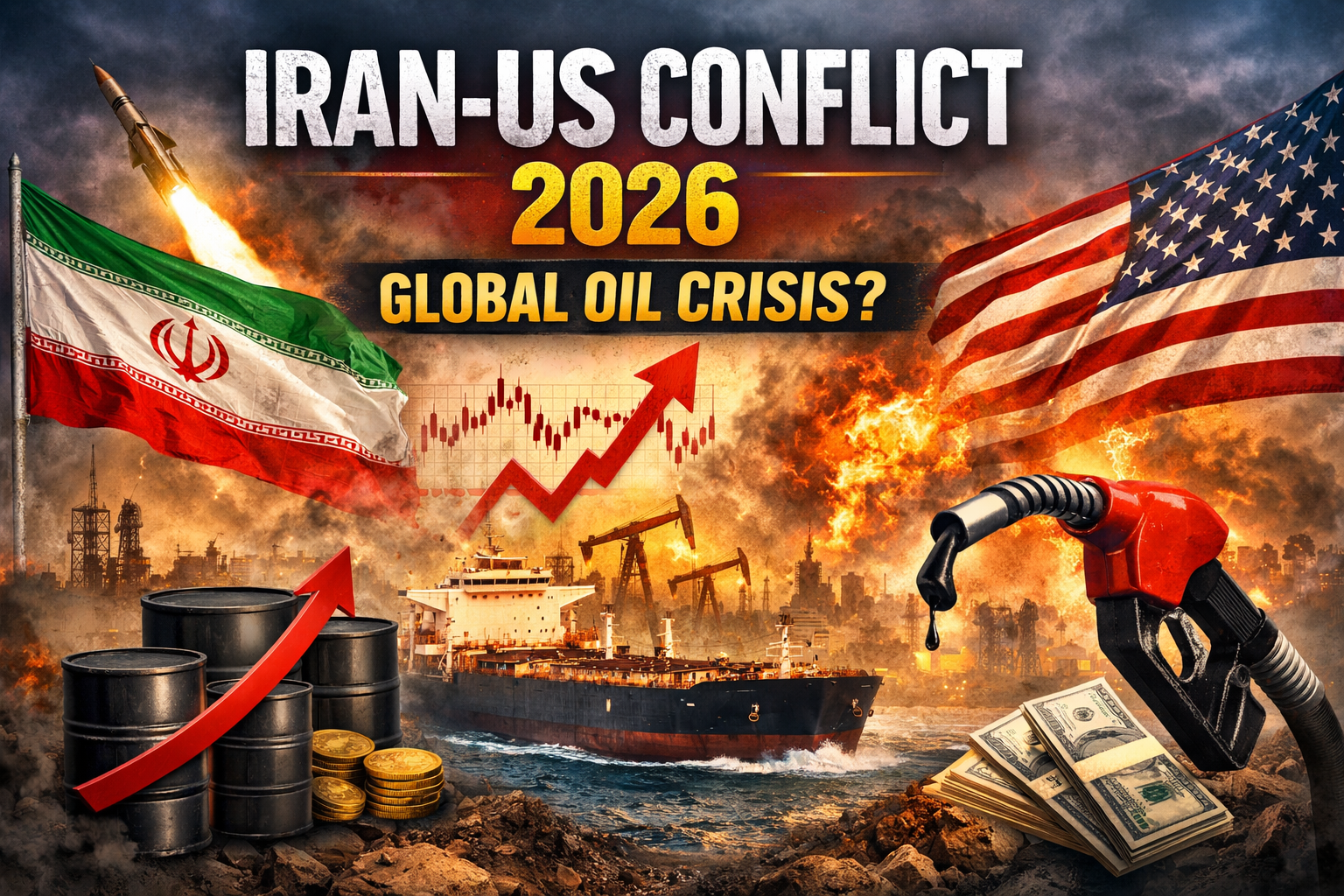
Conflicts in the Middle East often have immediate consequences for the global economy. This latest escalation is no exception.
Possible Economic Impacts:
- Oil Prices: Likely to rise due to supply concerns
- Stock Markets: Increased volatility and investor uncertainty
- Gold Prices: Surge as investors seek safe-haven assets
- Trade Routes: Potential disruptions if tensions escalate further
Energy markets are particularly sensitive to developments in this region, given its importance in global oil production.
Security Measures in Israel
Following the attack, Israel has significantly increased its security measures:
- Air defense systems have been activated nationwide
- Emergency alerts have been issued to civilians
- Public shelters have been opened
- Military forces are on high readiness
Residents have been advised to stay close to shelters and avoid unnecessary travel until the situation stabilizes.
Possible Next Steps
Experts believe that several scenarios could unfold in the coming days:
1. Retaliation by Israel
Israel may respond with targeted strikes against Iranian assets, potentially escalating the conflict further.
2. Diplomatic Intervention
International powers may step in to mediate and de-escalate tensions through negotiations.
3. Broader Regional Conflict
If allied groups or neighboring countries become involved, the conflict could expand beyond its current scope.
At this stage, the situation remains highly unpredictable.
Humanitarian Concerns
Beyond politics and military strategy, the human cost of such conflicts is immense. Civilians often bear the brunt of violence, facing displacement, injuries, and psychological trauma.
Aid organizations may need to step in if the situation worsens, especially if infrastructure damage disrupts access to essential services like healthcare, water, and electricity.
Conclusion
The latest missile strike on “Little India” marks a significant escalation in the ongoing tensions between Israel and Iran. With over 40 people injured and widespread damage reported, the incident has captured global attention.
As the world watches closely, the coming days will be crucial in determining whether the situation stabilizes or escalates into a larger conflict. One thing is certain—this event has once again highlighted the fragile nature of peace in the region and the far-reaching impact of geopolitical tensions.