
 Praveen Kumar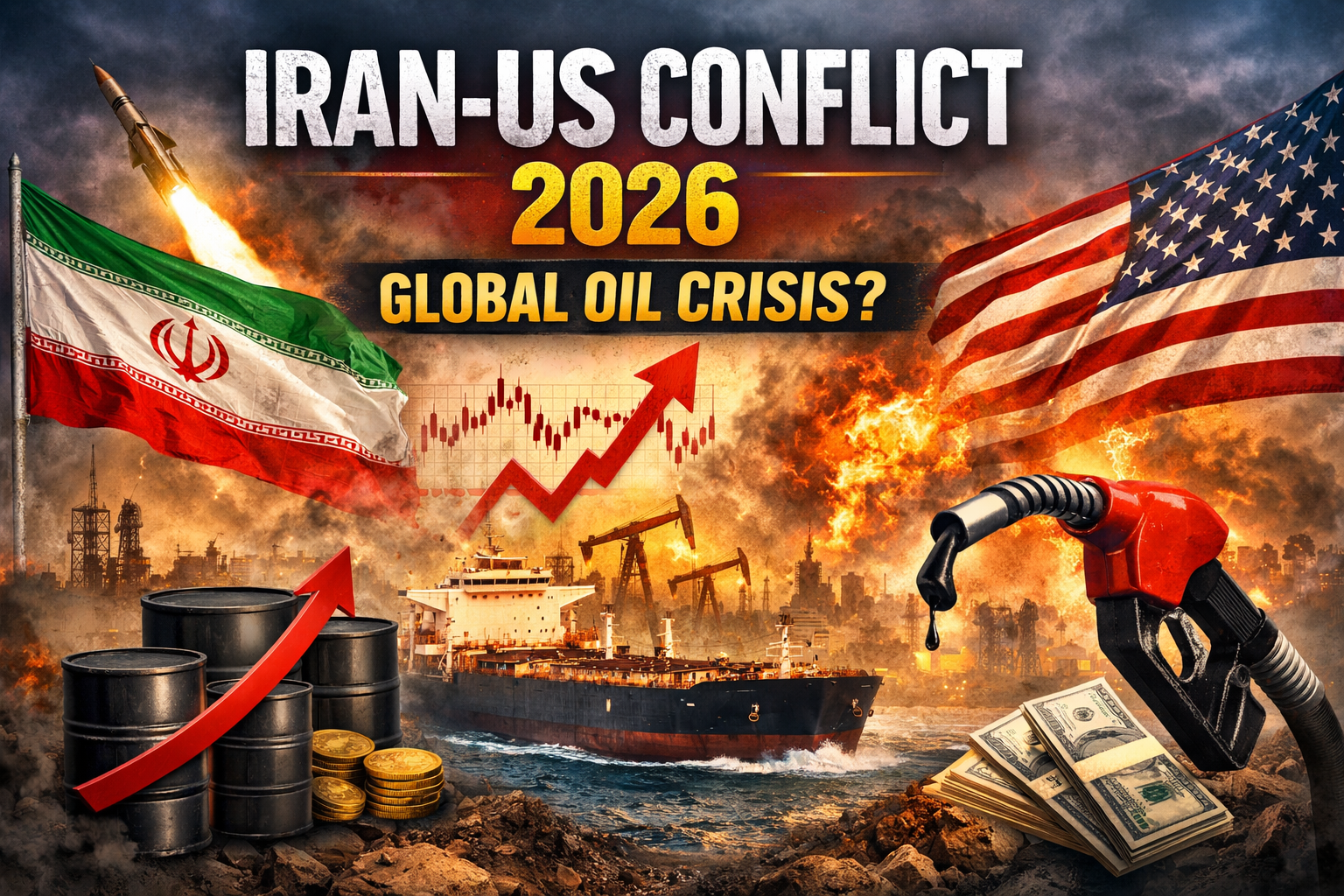
The Iran-US Conflict has once again become a major topic of discussion in global politics and economic markets. Rising tensions in the Middle East are creating uncertainty for international trade, energy markets, and diplomatic relations between powerful nations.
Recent developments suggest that the conflict could have far-reaching consequences beyond the region. Analysts believe that if the Iran-US Conflict continues to escalate, it may significantly affect global oil prices, shipping routes, and the stability of the world economy.
In this article, we examine the latest developments and the five major ways this growing crisis could influence global markets and international relations.
Rising Tensions in the Middle East
The Middle East has long been a region of geopolitical importance due to its vast energy resources and strategic trade routes. The Iran-US Conflict has intensified after a series of political and military developments that have raised concerns among world leaders.
Diplomatic relations between the two nations have been strained for years, with disagreements over regional influence, nuclear programs, and economic sanctions. Recent actions by both sides have increased fears that the situation could escalate further.
Global leaders and international organizations are urging both countries to exercise restraint and pursue diplomatic solutions rather than military confrontation.
Impact on Global Oil Prices
One of the most immediate consequences of the Iran-US Conflict is the impact on global oil markets. The Middle East is responsible for a significant portion of the world’s oil supply, and any instability in the region can quickly affect prices.
Energy analysts report that uncertainty surrounding the conflict has already caused fluctuations in crude oil prices. Investors and traders often react strongly to geopolitical tensions, especially when they involve major oil-producing nations.
If the conflict continues to intensify, experts warn that oil prices could rise sharply, affecting industries and consumers around the world.
Strategic Importance of the Strait of Hormuz
A key concern in the Iran-US Conflict is the security of the Strait of Hormuz, one of the most important oil shipping routes in the world.
Nearly one-fifth of the global oil supply passes through this narrow waterway every day. Any disruption in this area could severely impact global energy supply chains.
Shipping companies and governments are closely monitoring the situation, as even minor disruptions could lead to higher transportation costs and delays in energy deliveries.
Economic Effects Around the World
The Iran-US Conflict is not just a regional issue—it has global economic implications. When oil prices rise due to geopolitical tensions, the effects can be felt across many sectors of the economy.
Higher energy costs often lead to increased transportation and manufacturing expenses. These costs are usually passed on to consumers, resulting in higher prices for goods and services.
Stock markets also tend to react quickly to geopolitical instability. Investors may move their money into safer assets such as gold or government bonds during times of uncertainty.
Diplomatic Effects to Prevents Escalation
Many international leaders are now calling for urgent diplomatic efforts to prevent further escalation of the Iran-US Conflict. Countries around the world understand that prolonged instability in the Middle East could have serious consequences for global peace and economic stability.
Organizations like the United Nations have emphasized the importance of dialogue and negotiation between the two sides.
Diplomats are encouraging both nations to avoid actions that could increase tensions and instead focus on peaceful solutions to their disagreements.
Possible Military and Security Implications
Another concern related to the Iran-US Conflict is the possibility of increased military activity in the region. Military buildups or confrontations could create additional risks for nearby countries and international shipping routes.
Security experts warn that even limited military incidents could trigger broader regional tensions. This could involve other nations that have strategic interests in the Middle East.
Such developments would further complicate diplomatic efforts and increase uncertainty in global markets.
Global Energy Market Uncertainty
Energy markets are extremely sensitive to geopolitical developments, and the Iran-US Conflict has once again demonstrated this reality.
Oil-importing countries are closely watching the situation because prolonged instability could increase energy costs and disrupt supply chains.
Some governments are also considering strategies to diversify energy sources and reduce dependence on regions affected by political tensions.
What Happens Next?
The future of the Iran-US Conflict remains uncertain. While diplomatic channels remain open, the situation could change rapidly depending on political decisions made by both sides.
Many experts believe that careful diplomacy and international cooperation will be essential in preventing the conflict from escalating further.
For now, governments, businesses, and investors around the world will continue monitoring developments in the Middle East and preparing for potential economic impacts.
Conclusion
The Iran-US Conflict has once again highlighted how geopolitical tensions can influence global markets and international stability. From rising oil prices to concerns about major shipping routes, the consequences of this conflict extend far beyond the Middle East.
While diplomatic efforts are ongoing, the world is watching closely to see how the situation unfolds. A peaceful resolution would not only reduce regional tensions but also help stabilize global economic conditions.
For businesses, policymakers, and investors, understanding the implications of the Iran-US Conflict will remain crucial in the months ahead.