
 Praveen Kumar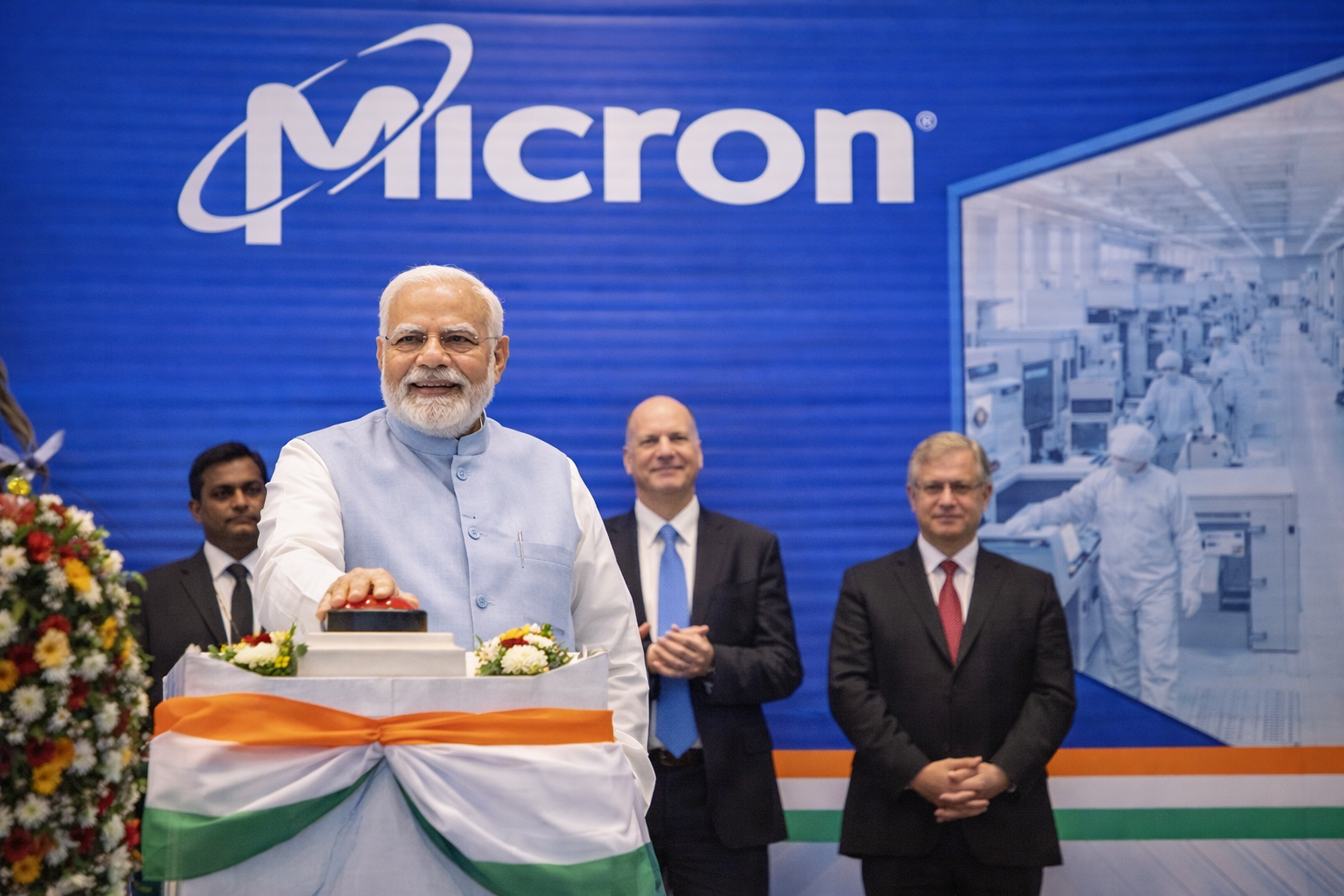
India has taken a historic step toward becoming a global technology powerhouse. Prime Minister Narendra Modi recently inaugurated a major semiconductor facility by https://www.micron.comMicron Technology, marking India’s official entry into the global semiconductor supply chain.
This development is more than just the launch of a new factory. It represents India’s long-term vision to become a global hub for electronics manufacturing, reduce dependency on imports, and create high-value jobs for millions of skilled professionals. As the world becomes increasingly dependent on advanced chips for smartphones, artificial intelligence, electric vehicles, defense systems, and data centers, this move places India on the global semiconductor map.
In this article, we will explore what this facility means for India’s economy, the semiconductor industry, employment opportunities, and the country’s technological future.
Understanding the Importance of Semiconductors
Semiconductors are the backbone of modern technology. Every smartphone, laptop, car, smart appliance, and AI-powered device depends on tiny chips to function. These chips control processing, memory, communication, and performance.
Over the past few years, the world experienced a severe semiconductor shortage. This shortage disrupted automobile production, delayed electronics manufacturing, and highlighted how dependent countries were on a limited number of chip-producing nations.
Most advanced semiconductor production has traditionally been concentrated in a few countries. As global demand continues to rise, many nations are now focusing on building domestic chip manufacturing capabilities to ensure supply chain security. India’s entry into this field is therefore both strategic and timely.
What Is the Micron Semiconductor Facility?
The newly inaugurated Micron facility in India focuses on semiconductor assembly, testing, marking, and packaging. While it may not initially manufacture advanced wafer chips from scratch, it plays a critical role in the semiconductor value chain.
- Key highlights of the facility include:
- Large-scale investment in infrastructure and technology
- Creation of thousands of direct and indirect jobs
- Strengthening India’s electronics manufacturing ecosystem
- Collaboration between government and private sector
Assembly and testing are essential stages in chip production. After chips are fabricated, they must be packaged and tested before being integrated into devices. By establishing such facilities in India, the country moves closer to building a complete semiconductor ecosystem.
A Strategic Move for India’s Economy
The inauguration of this semiconductor facility sends a powerful signal to global investors. It demonstrates that India is serious about becoming a reliable and competitive manufacturing destination.
Here’s how this development strengthens India’s economic position:
- Reduced Import Dependency
India currently imports a large portion of its semiconductor requirements. By building domestic capabilities, the country can gradually reduce reliance on foreign suppliers.
- Strengthened Supply Chain Security
Global geopolitical tensions have exposed vulnerabilities in supply chains. A domestic semiconductor ecosystem helps protect India from international disruptions.
- Increased Foreign Investment
When a global company like Micron invests in India, it builds confidence among other multinational corporations. This can attract further investments in electronics, AI hardware, EV components, and data infrastructure.
- Boost to Manufacturing Sector
Semiconductor facilities require advanced machinery, logistics support, skilled engineers, and raw materials. This stimulates growth across multiple industries.
Impact on “Make in India” Vision
India’s long-term manufacturing vision aims to transform the country into a global production hub. The semiconductor industry plays a central role in this transformation.
Electronics is one of the fastest-growing sectors in India. Smartphones, consumer electronics, automotive electronics, and telecom equipment are increasingly being manufactured domestically. However, without a strong semiconductor base, full self-reliance remains incomplete.
The Micron facility bridges an important gap in the electronics value chain. It also complements government incentive schemes designed to encourage high-tech manufacturing.
Job Creation and Skill Development Opportunities
One of the most significant benefits of semiconductor investments is employment generation. These facilities require highly skilled professionals across multiple domains.
Direct Job Opportunities
- Semiconductor engineers
- Electrical and electronics engineers
- Quality assurance specialists
- Process engineers
- Production managers
- Equipment maintenance experts
Indirect Job Opportunities
- Supply chain and logistics
- Construction and infrastructure
- Raw material suppliers
- IT and software support
- Security and facility management
Additionally, the growth of the semiconductor ecosystem will encourage universities and technical institutions to introduce specialized courses in chip design, fabrication technology, and electronics manufacturing.
For Indian youth, this opens up a new high-paying career path that was previously limited to foreign countries.
Opportunities for Startups and Entrepreneurs
The semiconductor industry is not limited to large corporations. It also creates opportunities for startups and small businesses.
Entrepreneurs can explore areas such as:
- Chip design services
- Embedded systems development
- AI hardware optimization
- Electronics component distribution
- Semiconductor equipment supply
- Industrial automation solutions
As the ecosystem expands, local companies can collaborate with global firms, participate in supply chains, and even develop innovative hardware solutions.
For technology-focused entrepreneurs, this is a long-term growth opportunity.
India’s Semiconductor Mission: The Bigger Picture
The Micron facility is just one part of a broader national strategy. India has announced financial incentives and policy support to encourage semiconductor manufacturing.
Key elements of India’s semiconductor push include:
- Production-linked incentive schemes
- Financial support for chip manufacturing units
- Encouragement for research and development
- Infrastructure development in semiconductor clusters
The ultimate goal is to build a comprehensive semiconductor ecosystem that includes fabrication plants, assembly and testing facilities, design centers, and research institutions.
While achieving complete semiconductor self-sufficiency will take time, this inauguration marks a strong beginning.
Global Implications of India’s Entry
India’s participation in the semiconductor industry has global significance.
Diversification of Supply Chains
Companies worldwide are looking to diversify production beyond a few countries. India offers a large workforce, a growing domestic market, and improving infrastructure.
Strengthening Technology Partnerships
India’s collaboration with global semiconductor leaders can lead to technology transfer, skill development, and research partnerships.
Rising Demand for Chips
As emerging technologies such as artificial intelligence, 5G networks, electric vehicles, and smart cities expand, global chip demand will continue to grow. India’s growing manufacturing capacity positions it to serve both domestic and international markets.
Challenges Ahead
While this milestone is significant, India’s semiconductor journey is not without challenges.
- High capital requirements
- Need for advanced fabrication technology
- Intense global competition
- Skilled workforce development
- Stable power and water supply infrastructure
However, with consistent policy support, international partnerships, and long-term planning, these challenges can be addressed gradually.
⸻
What This Means for India’s Future
The inauguration of the Micron semiconductor facility symbolizes a shift in India’s technological ambitions. Instead of being primarily a consumer market for electronics, India aims to become a producer and innovator.
In the coming years, we can expect:
- Expansion of semiconductor manufacturing units
- Growth in chip design startups
- Increased exports of electronic components
- Stronger integration into global technology supply chains
For students, engineers, and entrepreneurs, this marks the beginning of a new era in Indian technology.
⸻
Conclusion
India’s entry into the global semiconductor supply chain through the inauguration of the Micron facility is a landmark development. It reflects the country’s determination to strengthen its manufacturing base, secure supply chains, and create high-value employment opportunities.
While the journey toward full semiconductor self-reliance is long and complex, this step lays a solid foundation. With the right policies, investments, and skill development initiatives, India has the potential to emerge as a significant player in the global semiconductor ecosystem.
The future of technology-driven growth in India looks stronger than ever.