
 Praveen Kumar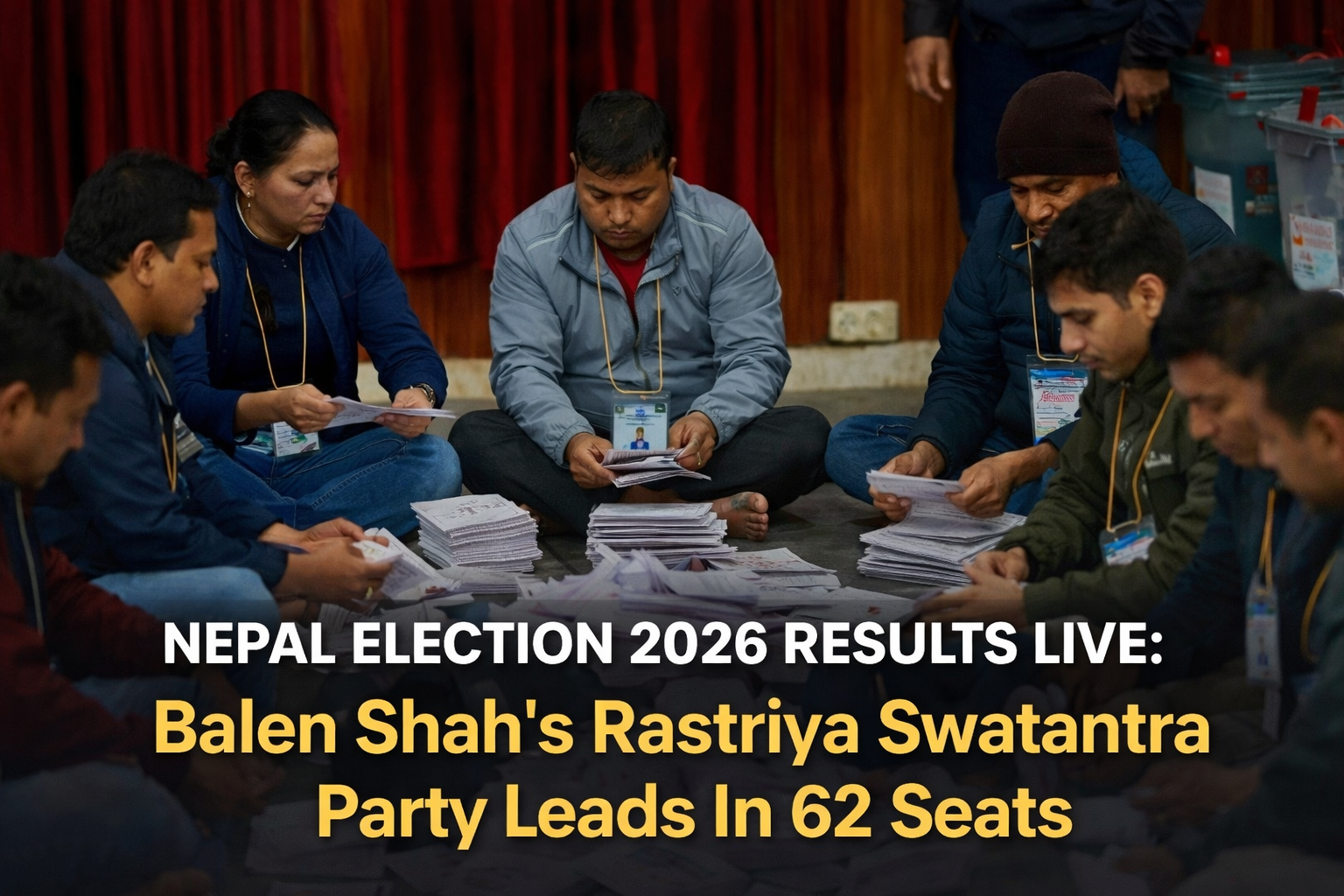
The Nepal Election 2026 results are attracting major attention across South Asia as early vote counting trends show a strong performance by the Rastriya Swatantra Party, led by Balen Shah. According to early reports, the party is leading in around 62 seats, which could significantly reshape the political landscape of Nepal. The election results are still being counted, but the early lead has already sparked intense political discussions.
Early Trends Show Strong Lead for Balen Shah’s Party
As vote counting continues across several constituencies, the Rastriya Swatantra Party (RSP) has emerged as one of the strongest contenders in the election. Early trends indicate that the party is leading in around 62 seats, a result that has surprised many political observers and analysts.
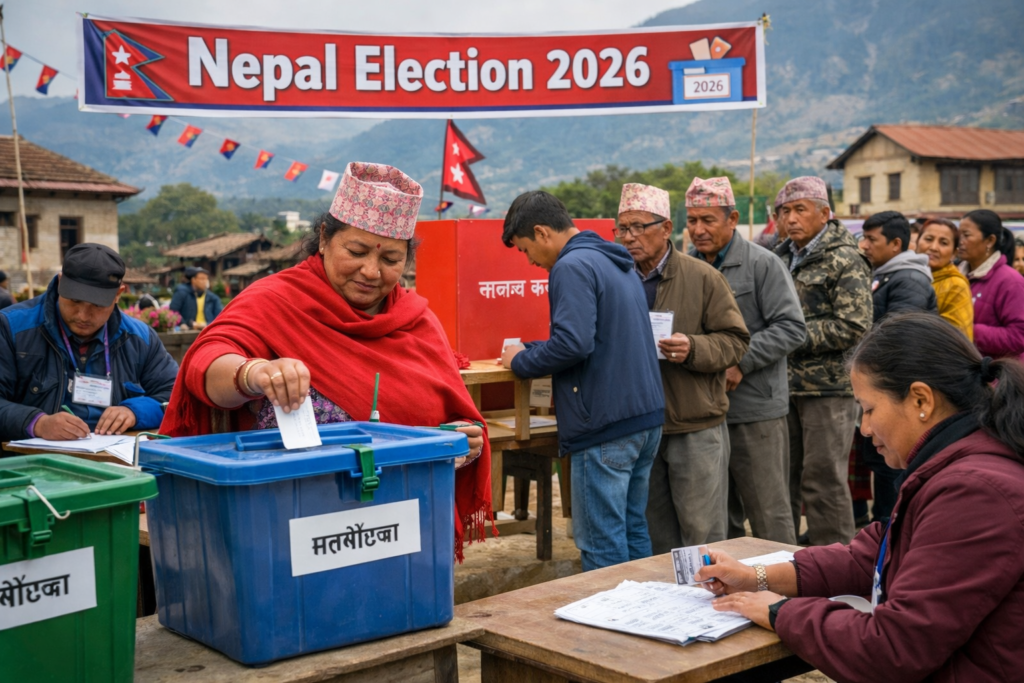
The rise of the party reflects growing public support for alternative leadership and new political voices in Nepal. Many voters, especially younger citizens, appear to be supporting leaders who promise transparency, development, and stronger governance.
Political experts say that if these trends continue, the election could mark a major turning point in the country’s political landscape.
Who is Balen Shah?
Balen Shah is a popular political figure in Nepal who gained national recognition after winning the mayoral election of Kathmandu in 2022. Before entering mainstream politics, he was known as a civil engineer, rapper, and social activist.
His rise to power was largely driven by public frustration with traditional political parties. Shah campaigned on issues such as better governance, anti-corruption measures, and urban development.
Since becoming mayor, he has built a strong image as a leader who focuses on practical solutions and administrative reforms. His growing popularity has now translated into political momentum for his party at the national level.
Why This Election Matters for Nepal
The Nepal Election 2026 is considered extremely important for the country’s political future. Over the past decade, Nepal has experienced frequent political instability, coalition governments, and leadership changes.
Many citizens have expressed dissatisfaction with established parties, accusing them of failing to deliver economic progress and effective governance. As a result, newer political movements and independent leaders have started gaining traction.
If the Rastriya Swatantra Party continues to perform strongly, it could reshape Nepal’s political structure and influence the formation of the next government.
Counting Still Underway
Despite the early leads, election officials have emphasized that final results will only be confirmed after the complete vote count is finished. Counting is taking place in multiple regions across the country, and results are expected to continue arriving throughout the day.
The Nepal Election 2026 authorities are closely monitoring the counting process to ensure transparency and fairness. Observers from different organizations are also present to maintain credibility in the electoral process.
Political parties across Nepal are keeping a close watch on the trends as the numbers continue to change with each round of counting.
Regional and international Attention
The Nepal elections are also being closely followed by neighboring countries, including India and China, as Nepal plays an important strategic role in South Asian geopolitics.
Any major political shift in Nepal could influence regional diplomacy, trade relations, and development partnerships.
International observers believe that the emergence of new leadership could bring fresh policy directions in areas such as infrastructure development, economic reform, and foreign relations.
Public Reaction and Expectations
Public reaction to the early results has been mixed but energetic. Supporters of Balen Shah and the Rastriya Swatantra Party have expressed excitement on social media, calling the results a sign of political change.
Many voters hope that new leadership will focus on improving public services, strengthening institutions, and addressing economic challenges faced by the country.
However, political analysts warn that forming a stable government may still require negotiations and alliances with other parties.
Conclusion
The Nepal Election 2026 is shaping up to be one of the most closely watched elections in the country’s recent history. With the Rastriya Swatantra Party leading early trends in several constituencies, the possibility of a political shift is becoming increasingly clear.
While final results are still awaited, the early numbers suggest that Nepal’s political landscape could be entering a new phase driven by emerging leaders and public demand for change.
According to reports from NDTV, the Nepal Election 2026 vote counting is progressing rapidly.
Read our detailed reports on the Global AI Race Intensifies and how technology competition is shaping the future.