
 Praveen Kumar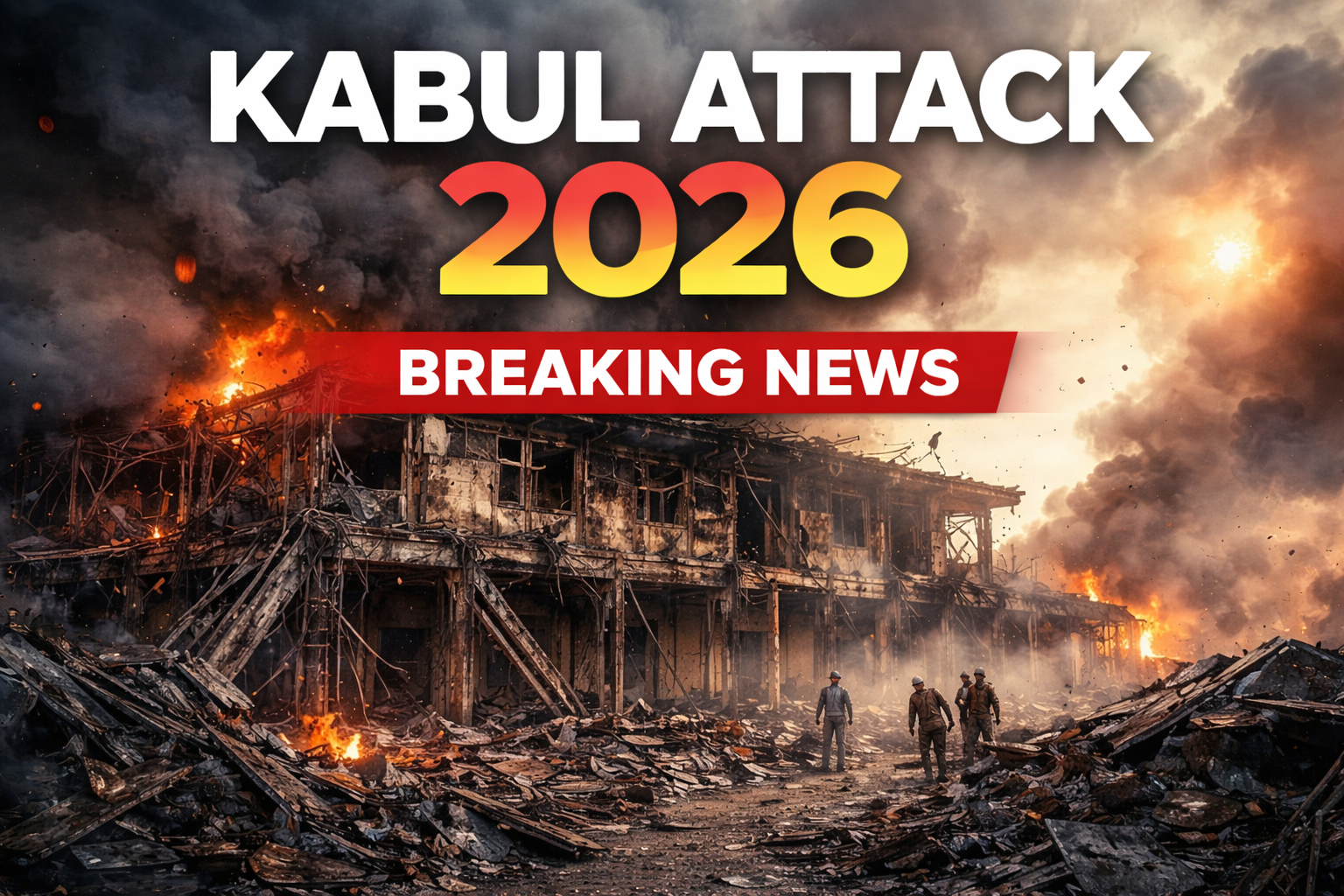
The Kabul Attack 2026 has sparked global outrage after a devastating bombing targeted a drug rehabilitation centre in Afghanistan’s capital. The incident has drawn sharp international reactions, with India strongly condemning the attack and calling it a “barbaric act.”
This tragic event highlights the ongoing instability in the region and raises serious concerns about civilian safety.
What Happened in Kabul?
According to early reports, a powerful explosion struck a drug rehabilitation facility in Kabul. The blast caused severe damage to the building, leaving parts of it destroyed and impacting nearby structures.
The centre was reportedly housing individuals recovering from addiction, making the attack even more disturbing. Witnesses described scenes of chaos, debris, and panic following the explosion.
India’s Strong Condemnation
India responded firmly to the incident, criticizing the attack and expressing deep concern over the targeting of civilians.
Officials described the bombing as:
- A barbaric and inhumane act
- A violation of basic human rights
- An attack on vulnerable individuals
India also emphasized the need for accountability and called on the international community to take the matter seriously.
Rising India-Pakistan Tensions
While no official responsibility has been confirmed, the incident has added strain to already tense relations between India and Pakistan.
Political analysts suggest that such developments could:
- Increase diplomatic friction
- Lead to stronger statements or actions
- Affect regional stability
The situation remains sensitive, with both sides closely monitoring developments.
Taliban’s Reaction
The ruling authority in Afghanistan, Taliban, has also responded to the attack.
A spokesperson warned that:
- The incident will not go unanswered
- Action may be taken against those responsible
This statement has raised concerns about possible escalation and further instability in the region.
Global Reaction
The international community has widely condemned the attack.
Several global observers and organizations have:
- Called for an independent investigation
- Highlighted the protection of civilians
- Raised concerns about security in conflict zones
Such attacks on healthcare-related facilities are seen as serious violations of international norms.
Why This Attack Matters
1. Targeting Vulnerable Civilians
The victims were individuals undergoing rehabilitation, making them particularly vulnerable.
2. Regional Security Concerns
The attack adds to the already fragile security situation in Afghanistan.
3. Risk of Escalation
With strong reactions from multiple sides, the risk of further conflict cannot be ignored.
Impact on Civilians
The human cost of the attack is significant:
- Patients and staff were put at extreme risk
- Families have been affected by the tragedy
- Fear and uncertainty have increased in the local community
Incidents like this deepen humanitarian concerns in the region.
Expert Insights
Security experts believe that attacks on “soft targets” are often intended to create fear and gain international attention.
They warn that:
- Such incidents can trigger broader conflicts
- Retaliatory actions may follow
- Stability in the region could worsen
Future Outlook
The coming days will be crucial in determining how the situation unfolds.
Possible developments include:
- International investigations
- Diplomatic responses
- Security measures within Afghanistan
The global community will be watching closely.
Conclusion
The Kabul Attack 2026 is a tragic reminder of the ongoing challenges in conflict-affected regions. India’s strong condemnation and the Taliban’s warning signal a tense situation that could evolve further.
Ensuring the safety of civilians and preventing such attacks must remain a top priority for the international community.