
 Praveen Kumar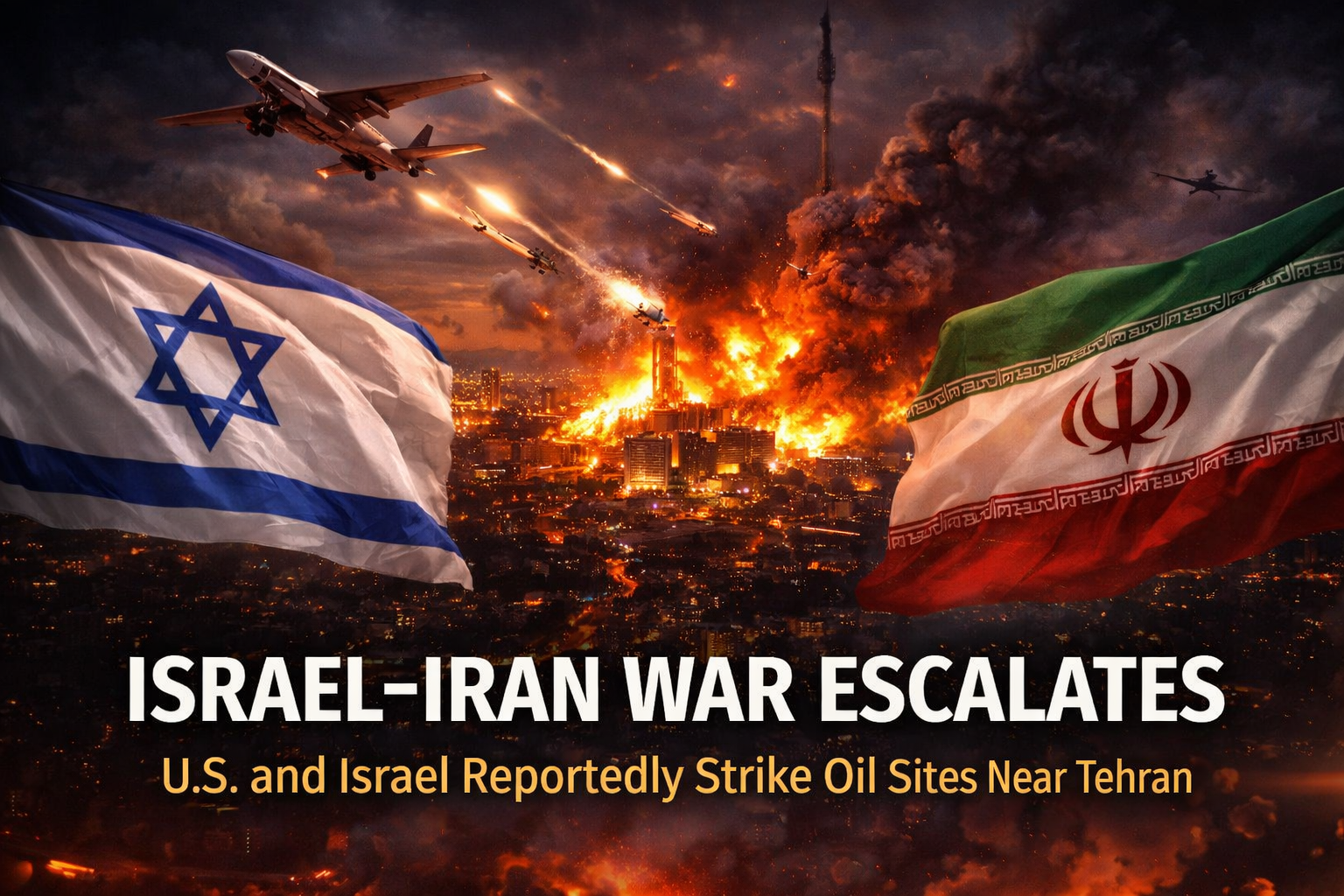
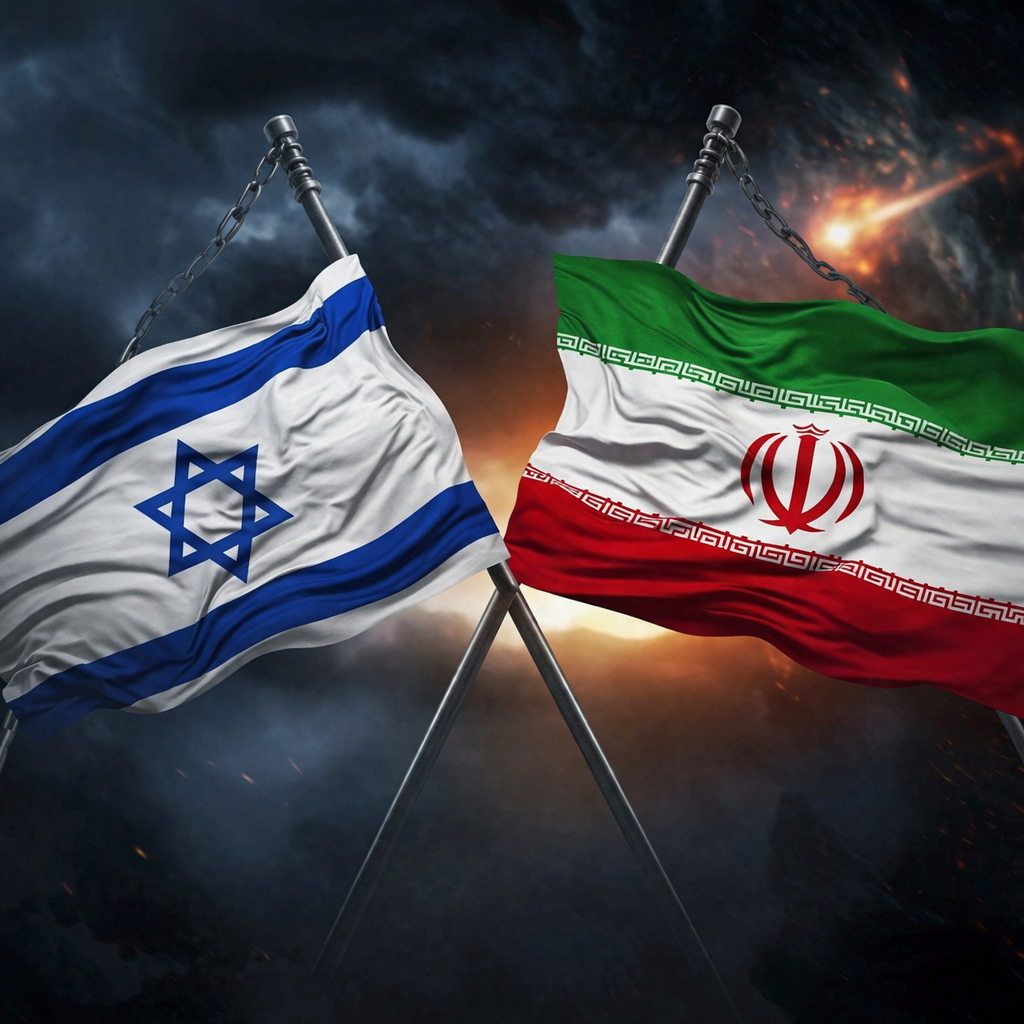
Israel-Iran war Tensions in the Middle East have intensified following reports that the United States and Israel launched strikes on several oil-related facilities near Tehran. The developments have raised global concerns as the conflict between Israel and Iran threatens to destabilize the region and impact global energy markets. The Israel-Iran War is becoming one of the most closely watched geopolitical conflicts in the Middle East.
According to initial reports, multiple sites associated with oil storage and distribution were targeted during overnight operations. Iranian officials confirmed that certain facilities were damaged, although the full extent of the impact is still being assessed.
Experts believe the Israel-Iran War https://www.reuters.com could significantly impact global oil prices and regional stability.
Overnight Strikes Reported Near Tehran
Reports indicate that at least five locations linked to oil infrastructure were struck during the overnight attacks. The strikes reportedly occurred near Tehran, the capital of Iran, which is one of the country’s major political and economic centers.
Officials stated that emergency services were quickly deployed to the affected areas to control fires and assess the damage. While authorities confirmed structural damage at some facilities, they emphasized that essential services remain operational.
The strikes have significantly increased tensions across the Middle East and raised fears of further military escalation.
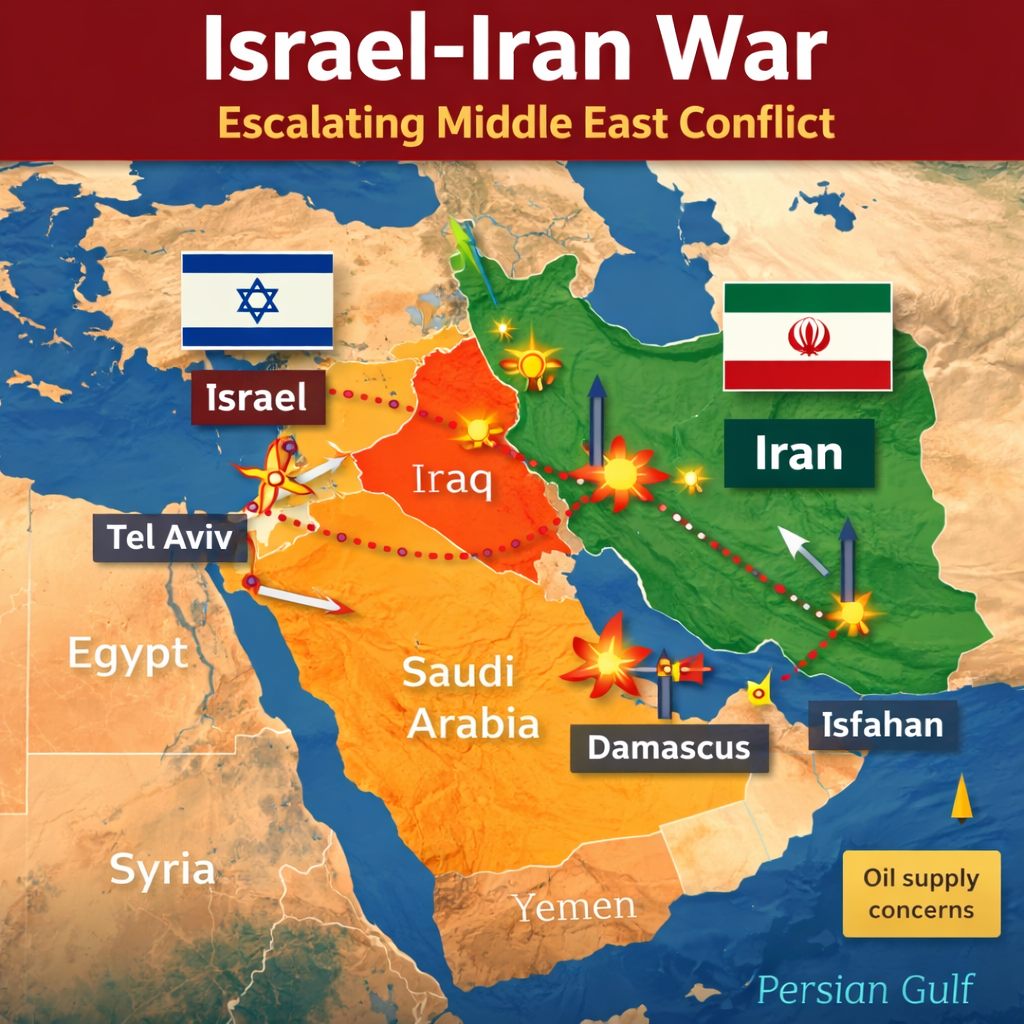
Rising Tensions Between Israel and Iran
Relations between Israel and Iran have been strained for years, largely due to geopolitical rivalry, security concerns, and disagreements over nuclear development and regional influence.
Israel-Iran war has repeatedly warned that it will take necessary actions to prevent Iran from expanding its military capabilities in the region. Meanwhile, Iran has accused Israel of carrying out covert operations and sabotage within its territory.
Recent developments appear to have pushed the conflict into a more direct and dangerous phase, drawing global attention to the fragile security situation in the Middle East.
Impact on Global Oil Markets
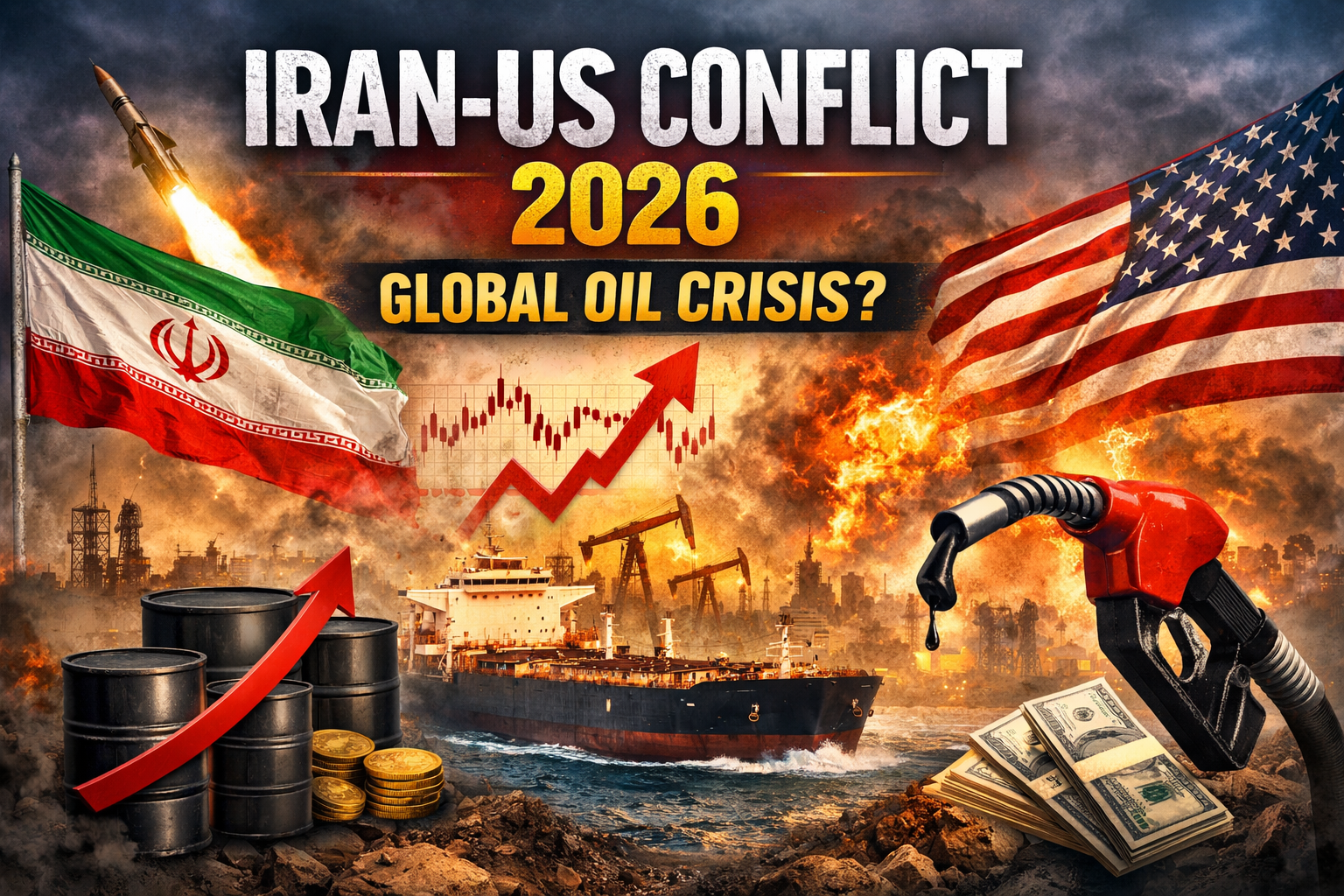
The reported strikes on oil infrastructure have also sparked concerns about global energy supplies. The Middle East is responsible for a significant portion of the world’s oil production, and any disruption in the region can affect international markets.
Following the reports, analysts warned that oil prices could experience volatility if tensions continue to escalate. Energy markets are closely monitoring the situation to determine whether supply routes or production facilities may be affected.
Investors and governments worldwide are also watching the situation carefully as prolonged instability could influence global economic conditions.
International Reactions
Global leaders have urged restraint and called for diplomatic solutions to prevent the conflict from expanding further. Several international organizations have emphasized the importance of dialogue and peaceful negotiations.
Security experts warn that further military actions could trigger wider regional instability, potentially involving additional countries in the conflict.
The international community continues to monitor the situation closely while encouraging efforts to reduce tensions and restore stability.
Humanitarian and Regional Concerns
Conflicts in the Middle East often have humanitarian consequences, including displacement, infrastructure damage, and economic disruptions.
While current reports indicate that the strikes were focused on infrastructure targets, humanitarian organizations remain concerned about potential civilian impacts if hostilities intensify.
Regional stability remains a critical concern as neighboring countries monitor the developments and prepare for possible spillover effects.
The Israel-Iran War is raising serious concerns among global leaders and security experts. Analysts warn that if the conflict continuous to escalates, it could disrupt energy supplies, increase geopolitical tensions, and impact global financial markets. Many countries are now urging both side to exercise restraint and return to diplomatic dialogue to prevent a wider regional war.
Conclusion
The reported strikes near Tehran mark a significant escalation in tensions between Israel and Iran. With global energy markets and regional security at stake, the situation continues to draw international attention.
As developments unfold, world leaders and diplomatic organizations are urging restraint to prevent the conflict from expanding further. The coming days will likely determine whether tensions escalate further or diplomatic efforts succeed in stabilizing the region.
For more insights on global geopolitical and technology developments, read our detailed reports on Global AI Race Intensifies https://dailyprofitnews.com/global-ai-race-intensifies.