
 Praveen Kumar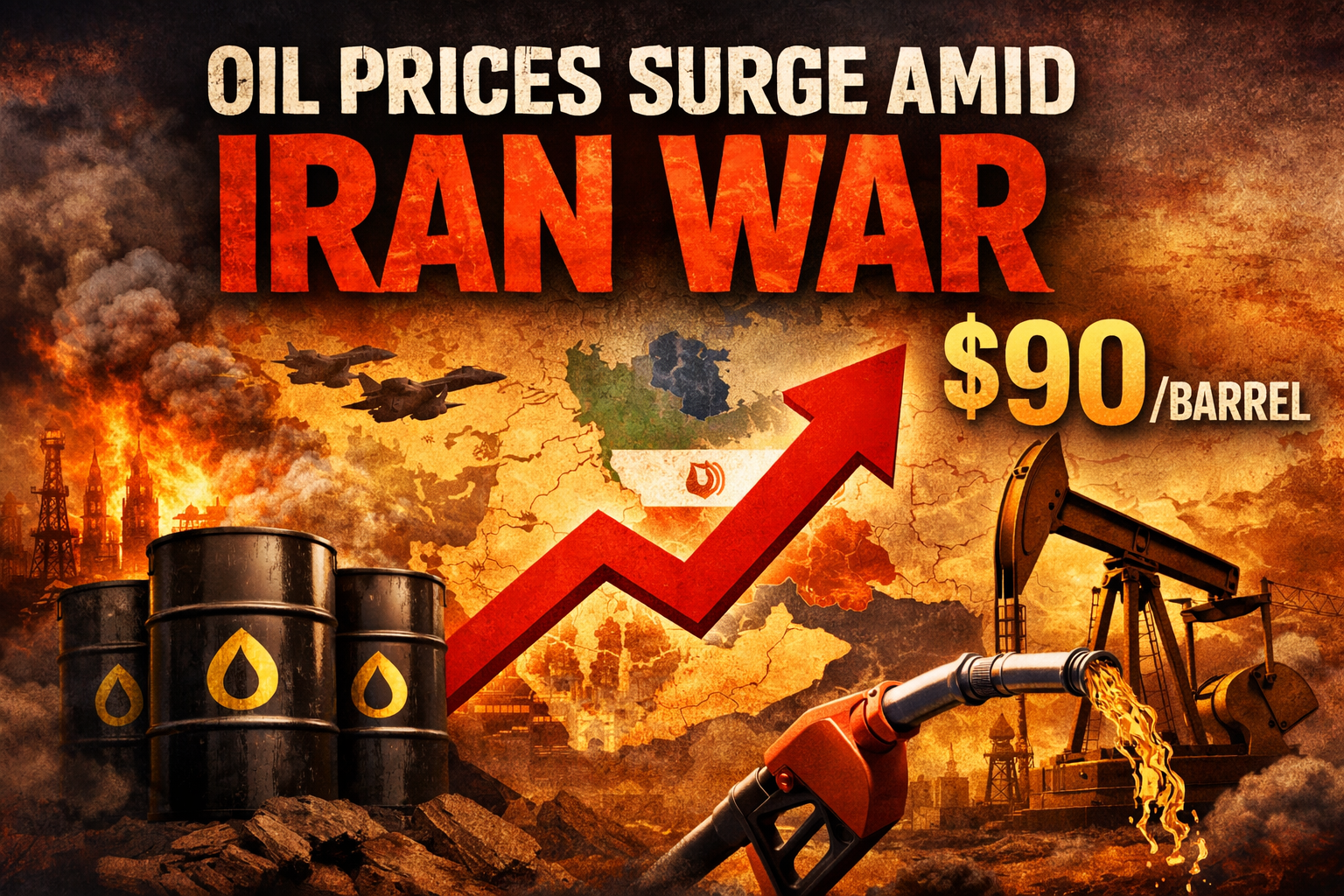
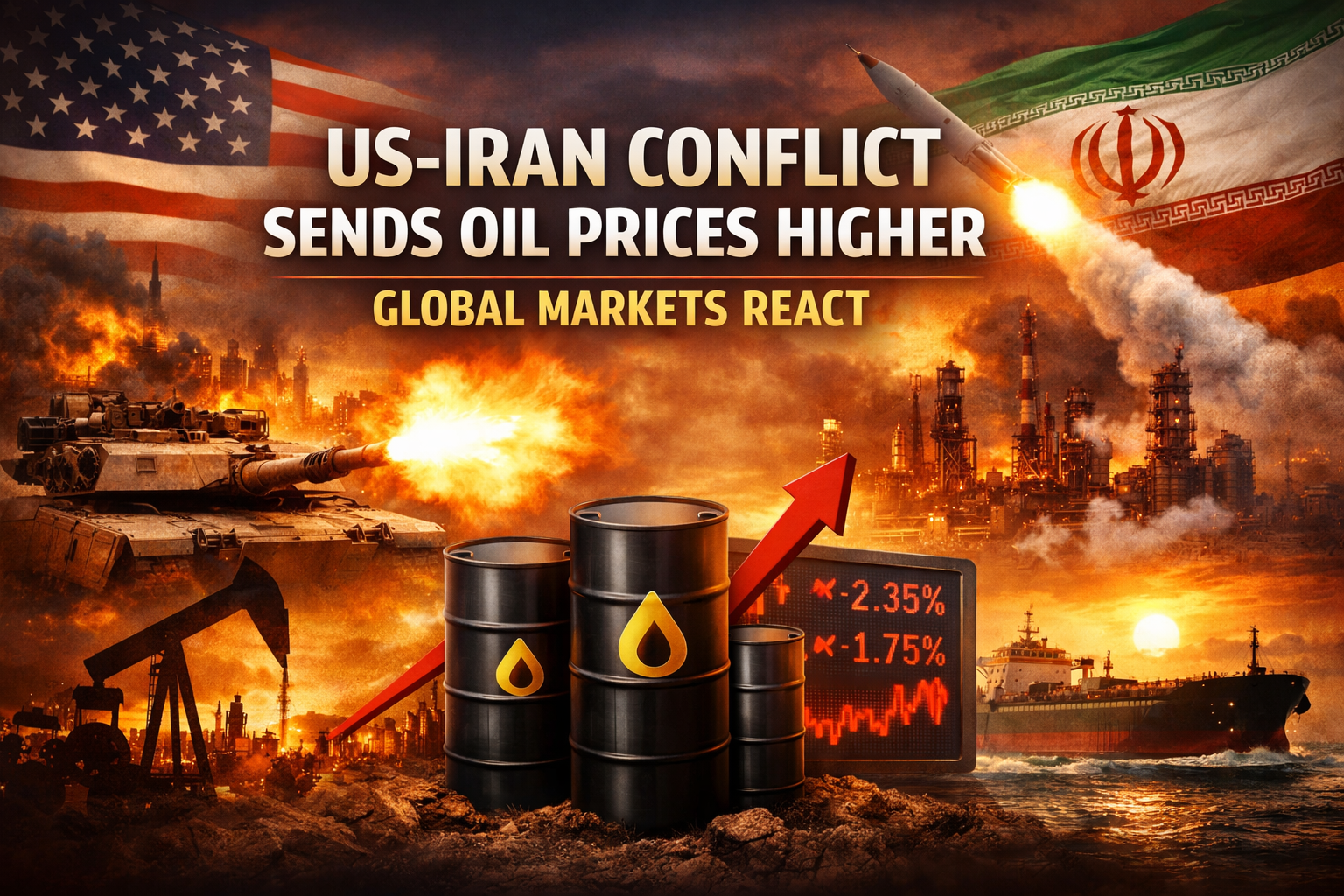
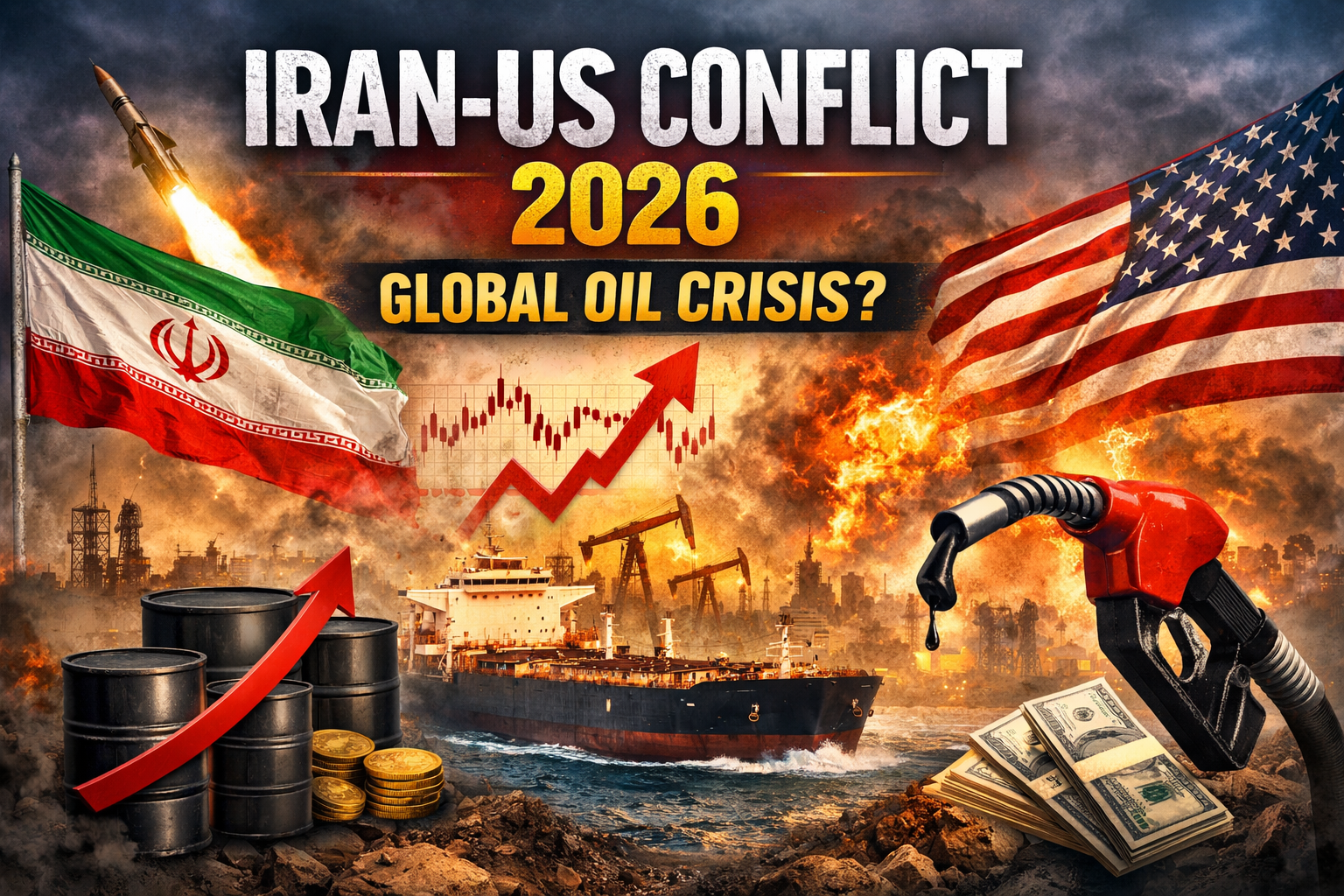
The Iran war Escalates conflict involving the United States, and Israel has begun to significantly impact global energy markets. The Iran War is rapidly becoming a major factor influencing global oil prices. As tensions in the Middle East escalate, oil prices have surged sharply, raising concerns among governments, businesses, and consumers worldwide.
Experts warn that the geopolitical crisis could lead to prolonged instability in global fuel markets. With shipping routes under threat and oil supply chains facing disruptions, analysts believe the world could experience higher energy prices in the coming weeks.
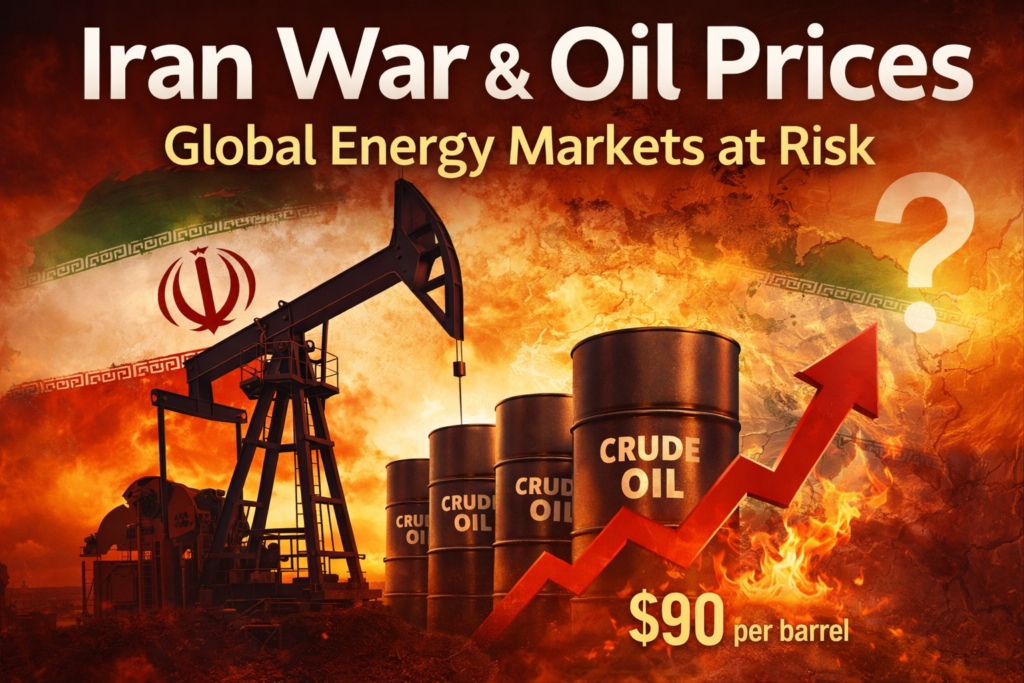
Rising Tension in the Middle East
The Middle East has long been a critical region for global energy supply. Countries in the region produce a large portion of the world’s crude oil, making any conflict there a major concern for global markets.
Recently, military tensions involving Iran have intensified after several incidents involving naval forces and strategic locations across the region. Reports suggest that military movements and security alerts have increased significantly, raising fears of a wider regional conflict.
The situation has attracted international attention, with global leaders urging restraint and diplomatic solutions. However, uncertainty remains high as both political and military developments continue to unfold.
Oil Prices Jump Above $90
One of the most immediate impacts of the crisis has been the sharp rise in global oil prices. Benchmark crude oil prices have climbed above $90 per barrel, marking a significant increase compared to previous weeks.
Energy analysts say the surge is largely driven by fears that the conflict could disrupt supply routes through the Strait of Hormuz, one of the most important oil shipping lanes in the world. Nearly one-fifth of the world’s oil passes through this narrow waterway every day.
If tensions escalate further and shipping through the Strait of Hormuz becomes restricted, global energy supply could face serious disruptions. This possibility has already triggered panic buying and speculative trading in energy markets.
Impact on Global Fuel Prices
The rise in oil prices is expected to have a ripple effect on fuel costs around the world. Countries that rely heavily on imported oil could experience higher petrol and diesel prices in the coming weeks.
Economists warn that rising fuel costs could also increase transportation expenses, which may eventually push up the prices of everyday goods and services. From food transportation to airline travel, many sectors are directly affected by energy prices.
Consumers in several countries have already begun to feel the pressure as fuel prices slowly rise at petrol stations. Governments may face increasing pressure to intervene through subsidies or tax reductions to ease the burden on citizens.
Concerns Over Global Economic Stability
Apart from fuel prices, the escalating tensions could also affect global economic stability. Financial markets often react strongly to geopolitical conflicts, especially when they involve energy-producing regions.
Stock markets across several countries have shown signs of volatility as investors monitor developments closely. Energy companies have seen gains due to higher oil prices, while sectors such as aviation and logistics have faced uncertainty.
Economic experts warn that if the conflict continues or expands, it could slow global economic growth. Higher energy costs typically increase inflation, which can reduce consumer spending and business investment.
International Diplomatic Efforts
World leaders are increasingly calling for diplomacy to prevent the situation from spiraling into a full-scale war. Several international organizations and governments have urged both sides to de-escalate tensions and return to negotiations.
The United Nations has emphasized the importance of dialogue and peaceful solutions. Diplomatic discussions are reportedly underway between various global powers to stabilize the situation and ensure safe energy supply routes.
Despite these efforts, analysts say the coming days will be crucial. Any further military escalation could trigger stronger reactions from global markets and potentially push oil prices even higher.
What It Means for the Future
For now, the world is watching the situation in the Middle East very closely. Energy markets remain sensitive to geopolitical developments, and even small incidents can cause major fluctuations in oil prices.
The Iran War tensions ease through diplomatic negotiations, markets could stabilize quickly. However, if the conflict expands, global energy prices may remain elevated for an extended period.
Iran War Impact in Global Oil Prices
For consumers and businesses alike, the key concern will be how long the instability lasts and whether governments can manage the economic impact.
As the situation continues to evolve, the conflict involving Iran and its regional rivals has become one of the most important geopolitical developments affecting global markets today.
The Iran War is creating uncertainty in global energy markets. Experts believe the Iran War could impact oil supply routes.
According to reports from NDTV, the Iran War tensions are affecting global oil markets.
You can also read our detailed reports on the https://dailyprofitnews.com/israel-iran-war-escalates-u-s-and-israel-reportedly-strike-oil-sites-near-tehran/