
 Praveen Kumar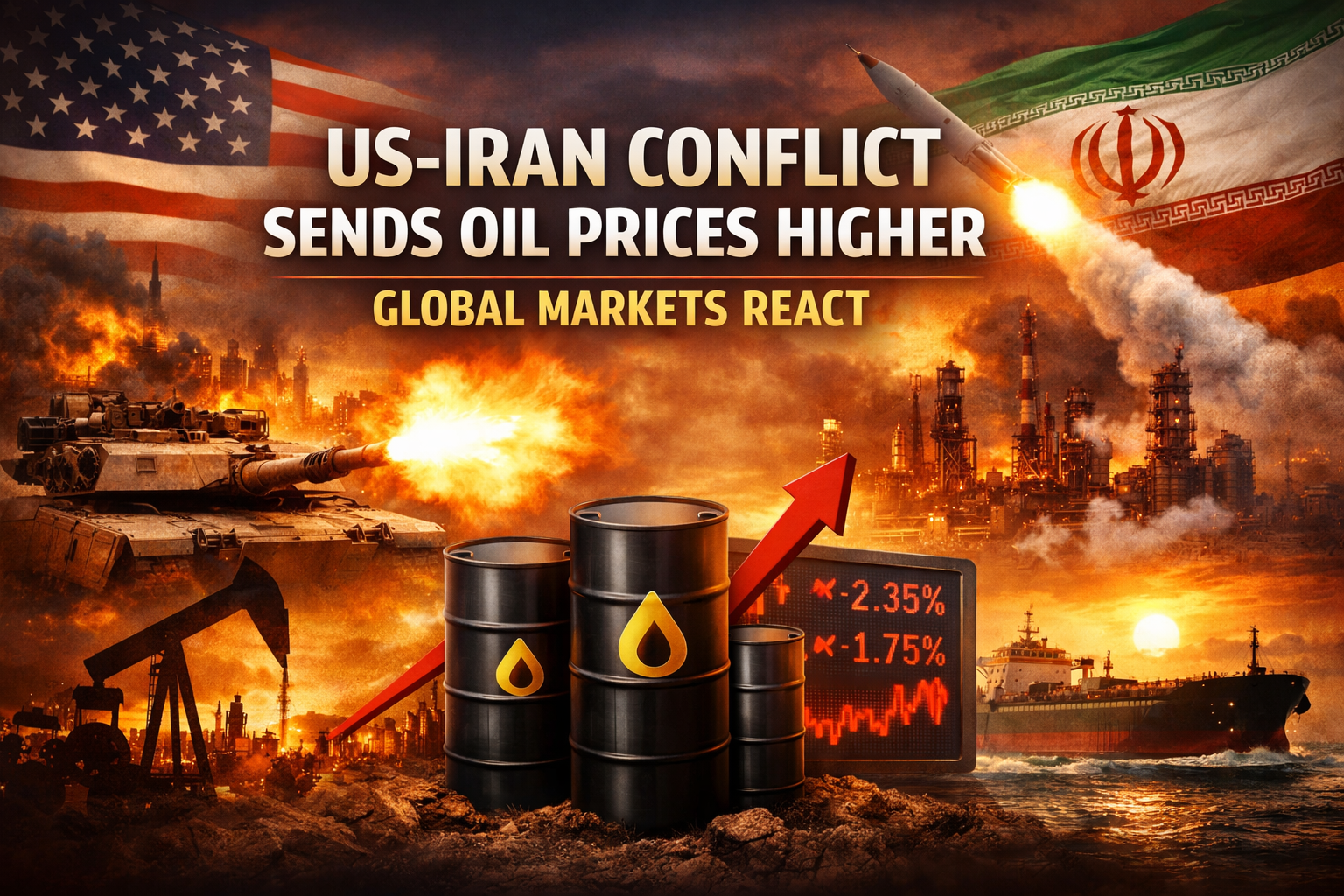
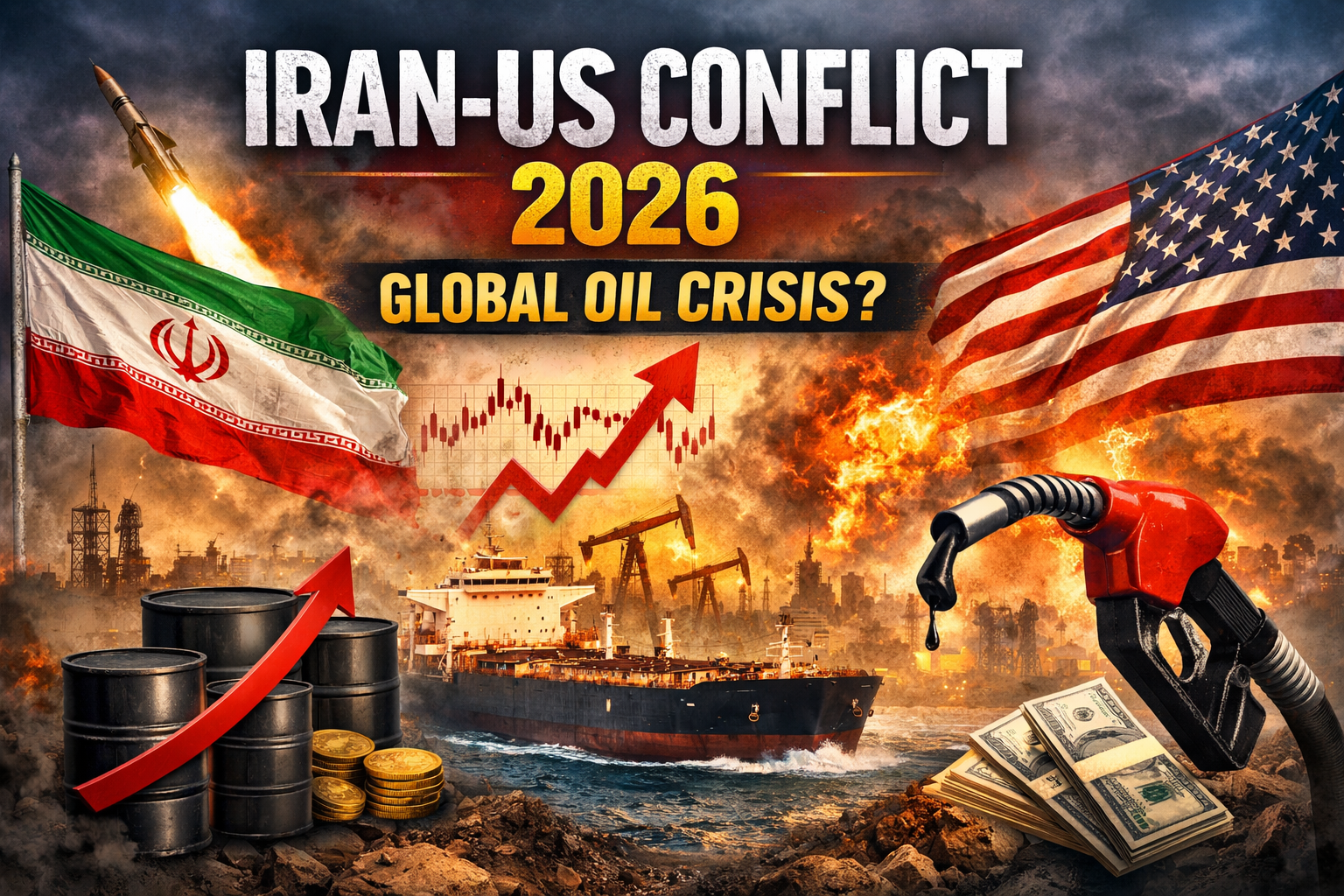
The Us-Iran Conflict escalating conflict involving the United States and Iran has become one of the most significant geopolitical developments of 2026. Rising tensions in the Middle East have already begun affecting global markets, energy supply chains, and investor sentiment worldwide. Governments, financial institutions, and energy companies are closely watching the situation as the conflict threatens to disrupt one of the most important oil-producing regions in the world.
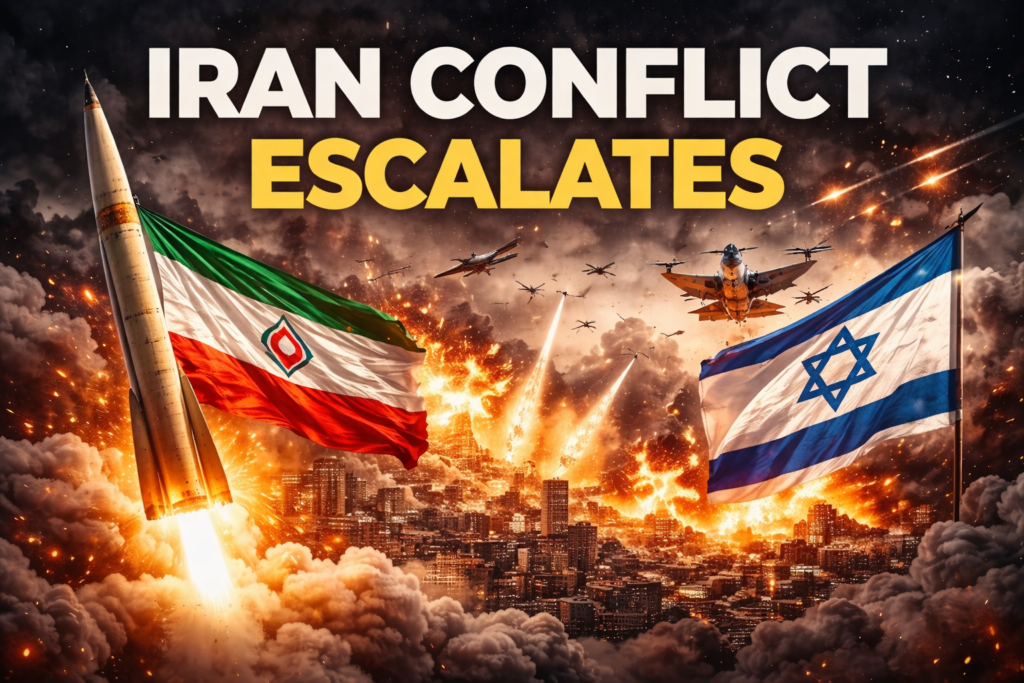
The crisis has triggered volatility in oil markets, pushed energy prices higher, and raised concerns about global economic stability.
Escalation of the Conflict
The latest escalation began after military strikes involving the United States and its allies targeted Iranian military and strategic infrastructure. Iran responded with missile and drone attacks across the region, intensifying tensions and increasing the risk of a wider regional conflict.
The Middle East has long been one of the world’s most sensitive geopolitical regions due to its strategic importance in global energy supply. Analysts warn that prolonged military confrontation could destabilize several countries in the region and lead to significant disruptions in international trade and energy transportation.
Recent attacks on oil facilities and military bases across the Gulf region have further intensified fears of supply shortages and economic consequences worldwide.
Oil Prices Surge Amid Supply Concerns
One of the most immediate effects of the Us-Iran conflict escalating has been a sharp rise in global oil prices. Energy markets are extremely sensitive to geopolitical tensions, especially when they occur in major oil-producing regions.
Recent reports indicate that Brent crude prices have climbed close to $90 per barrel, marking one of the highest levels in recent years.
The primary concern for energy markets is the security of the Strait of Hormuz, a narrow waterway located between Iran and Oman. Approximately 20% of the world’s oil supply passes through this strategic route, making it one of the most critical energy shipping corridors on the planet.
Any disruption to tanker traffic in the strait could significantly reduce global oil supply, pushing prices even higher and creating ripple effects across international economies.
Impact on Global Financial Markets
Recent trading sessions have shown increased volatility, with major indices experiencing declines amid fears of prolonged instability. In the United States, major stock indexes dropped as oil prices surged and investors shifted their focus toward safe-haven assets such as gold.
Investors typically move funds into safer investments during geopolitical crises, which can lead to market fluctuations and reduced investor confidence.
Inflation and Energy Costs
The Us-Iran conflict Higher oil prices can quickly translate into increased fuel costs for consumers and businesses. Transportation, manufacturing, and logistics industries rely heavily on energy, meaning rising crude prices often lead to higher production and transportation costs.
Economists warn that sustained oil prices above $80 or $90 per barrel could lead to renewed inflation pressures across many economies.
The Us-Iran conflict Higher fuel prices may also increase the cost of goods and services globally, putting pressure on governments and central banks that have been working to stabilize inflation after recent economic disruptions.
Strategic Importance of the Middle East
The Middle East remains a central hub for global energy production. Countries such as Saudi Arabia, Iran, Iraq, and the United Arab Emirates play a crucial role in supplying oil and gas to global markets.
Because of this strategic importance, even limited military conflicts in the region can have worldwide economic consequences.
The situation has also highlighted the vulnerability of critical energy infrastructure. Earlier this month, a drone attack targeted a major Saudi oil refinery, briefly disrupting operations and contributing to further volatility in energy markets.
Such incidents demonstrate how quickly geopolitical tensions can translate into economic shocks.
Global Diplomatic Efforts
International leaders and organizations are calling for restraint and diplomatic solutions to prevent the conflict from escalating further. Many countries have urged both sides to engage in negotiations and avoid actions that could trigger a broader regional war.
Diplomatic channels remain active as governments attempt to stabilize the situation and protect global economic interests. The United Nations and several major world powers are reportedly encouraging dialogue to prevent further escalation.
Experts believe that diplomacy will be crucial in preventing the crisis from spiraling into a full-scale regional conflict.
Potential Future Scenarios
Analysts suggest several possible outcomes if tensions continue to rise. In the worst-case scenario, prolonged disruptions to oil shipments could push crude prices above $100 per barrel, leading to global economic slowdown and higher inflation.
Another possibility is that diplomatic negotiations could reduce tensions and restore stability to global markets. In that case, oil prices may gradually stabilize and financial markets could recover.
However, until a clear resolution emerges, uncertainty is likely to remain a major factor influencing global markets.
conclusion
The Us-Iran conflict escalating between the United States and Iran is already reshaping global energy markets and raising concerns about economic stability. Rising oil prices, volatile financial markets, and geopolitical uncertainty highlight the far-reaching impact of conflicts in key energy-producing regions.
As the situation continues to evolve, the world is closely watching diplomatic developments and military activities in the Middle East. The coming weeks will be critical in determining whether tensions ease through negotiations or escalate into a broader regional crisis.
For now, global markets remain on edge as governments, investors, and energy companies brace for the potential economic consequences of one of the most significant geopolitical conflicts of the year.
According to international reports from BBC, the Us-Iran co.
Read our detailed coverage on the https://dailyprofitnews.com/iran-war-escalates-global-oil-prices-surge-as-middle-east-tensions-rise